
Trends
The Rise of Gender-Neutral Baby Names
How unisex names have grown in the US, why parents choose them, and gender-neutral names to consider.
· Updated
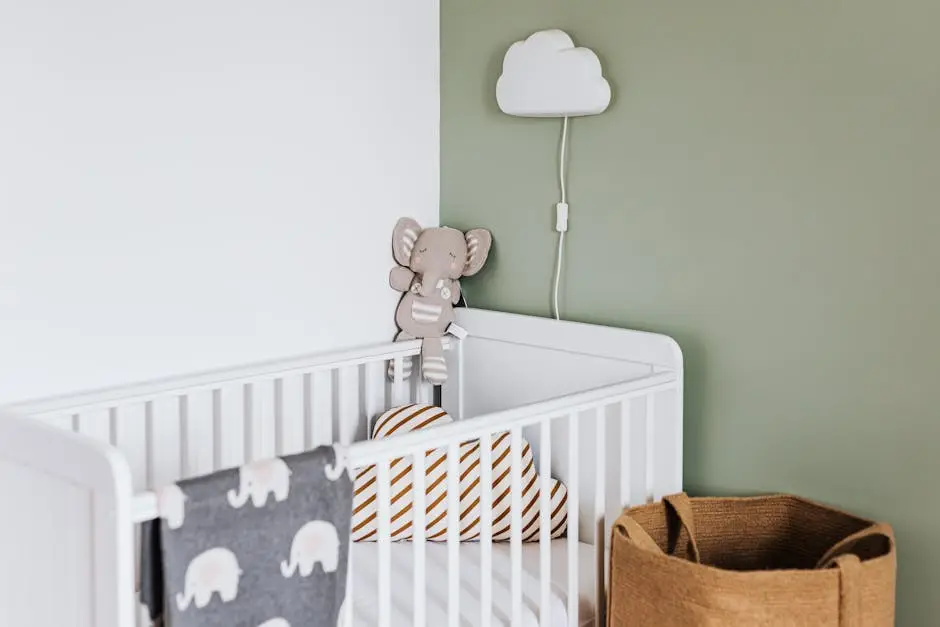
Gender-neutral names are a growing share of US births: in Social Security data, the share of babies given a name used for both sexes rose from 7.7% in 2014 to 9.6% in 2024. Here is why parents choose them, and some options.
Why Parents Are Choosing Unisex Names
The appeal of gender-neutral names goes beyond any single reason. Some parents want to avoid unconscious bias before their child is even born. Others simply love a name and do not see why gender should limit their choice. And many appreciate the flexibility a unisex name offers as their child grows up and defines their own identity.
Nature Names Lead the Way
Many gender-neutral names come from the natural world. River, Sage, Sky, and Ocean are beautiful for any child. These names feel fresh, modern, and free from traditional gender associations. Explore our Nature Baby Names list for more options.
Short and Strong Options
Brief, punchy names lend themselves naturally to being unisex. Kai (ocean), Max (greatest), Sam (God has heard), and Joy (happiness) are all versatile choices that work across genders. Browse our Short Baby Names collection.
Traditional Names Going Unisex
Some names that were historically gendered are now used for all genders. Andrea has long been unisex in Italian culture. Simone is a boys name in Italy but a girls name in English-speaking countries. Nicola follows a similar pattern. These cross-cultural variations show that gender associations with names are more fluid than we often assume.
How to Choose a Gender-Neutral Name
When selecting a unisex name, consider the same factors you would for any name: meaning, sound, family significance, and personal connection. A gender-neutral name should feel right for your child specifically, not just for the concept of being unisex.
The Future Is Flexible
The growth of gender-neutral naming reflects a broader move toward giving children more room to define themselves. Whether you choose a unisex name for philosophical reasons or simply because you love how it sounds, you are part of a meaningful shift in how we think about names and identity.
Frequently asked questions
- Are gender-neutral names becoming more common?
- Yes. In US Social Security data, the share of babies given a name used for both sexes (at least 10% each way) rose from 7.7% in 2014 to 9.6% in 2024.
- Will a gender-neutral name confuse people?
- While some people may initially be unsure of a child's gender from the name alone, this matters less as unisex names become more common. Names like Jordan, Taylor, and Morgan have been successfully unisex for decades.
- What are some gender-neutral names?
- River, Kai, Sage, Riley and Avery are all used for both boys and girls. Nature names and short names often work well as unisex choices.
- gender-neutral
- unisex names
- trends
- modern naming